Goals
The primary goal was to centralise WFOT’s operational data and processes into a single, reliable system that could support the organisation’s global activities more efficiently. This included improving data consistency, reducing manual administrative work and enabling better visibility across projects, meetings and stakeholders.
Another key objective was to standardise how information was collected and reported, making it easier for contributors to provide updates while ensuring outputs were structured, complete and usable. The system also needed to support controlled data sharing, allowing WFOT to surface relevant information externally without compromising data integrity.
Ultimately, the aim was to increase operational efficiency and capacity, enabling the team to spend less time managing fragmented processes and more time focusing on its core mission.
Approach
My approach began with reviewing WFOT’s existing workflows and researching a range of tools and platforms that could support a more connected way of working. The challenge was not simply to replace one tool with another, but to find a platform that was accessible for a non-technical team, flexible enough to support multiple use cases and robust enough to grow with the organisation over time.
I ultimately selected Airtable because it offered the familiarity of a spreadsheet-based interface while providing significantly more structure, automation and long-term extensibility than traditional project management tools. This made it easier for the WFOT team to adopt, while also giving the organisation a stronger foundation for connected workflows, linked data and future process improvements.
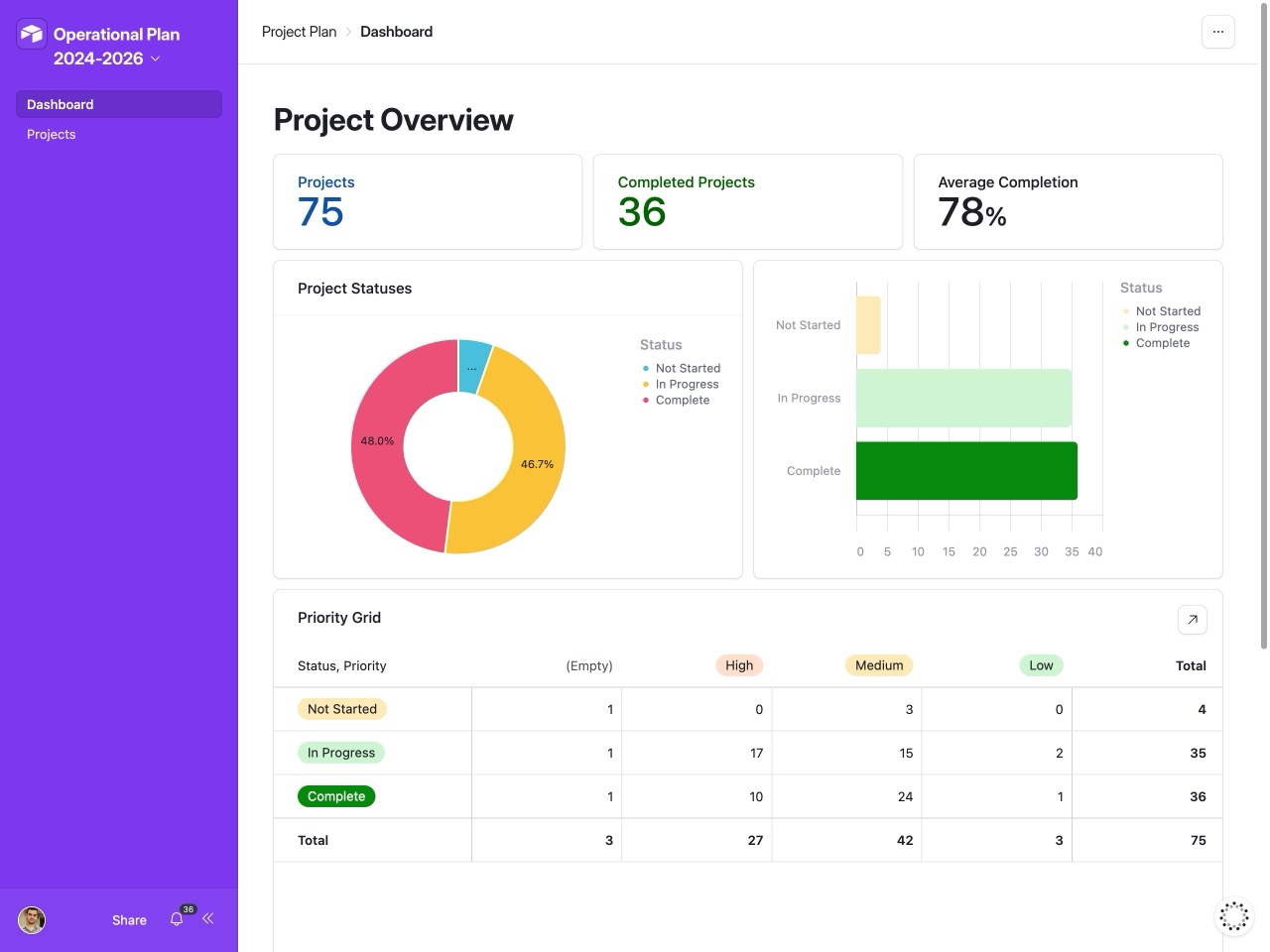
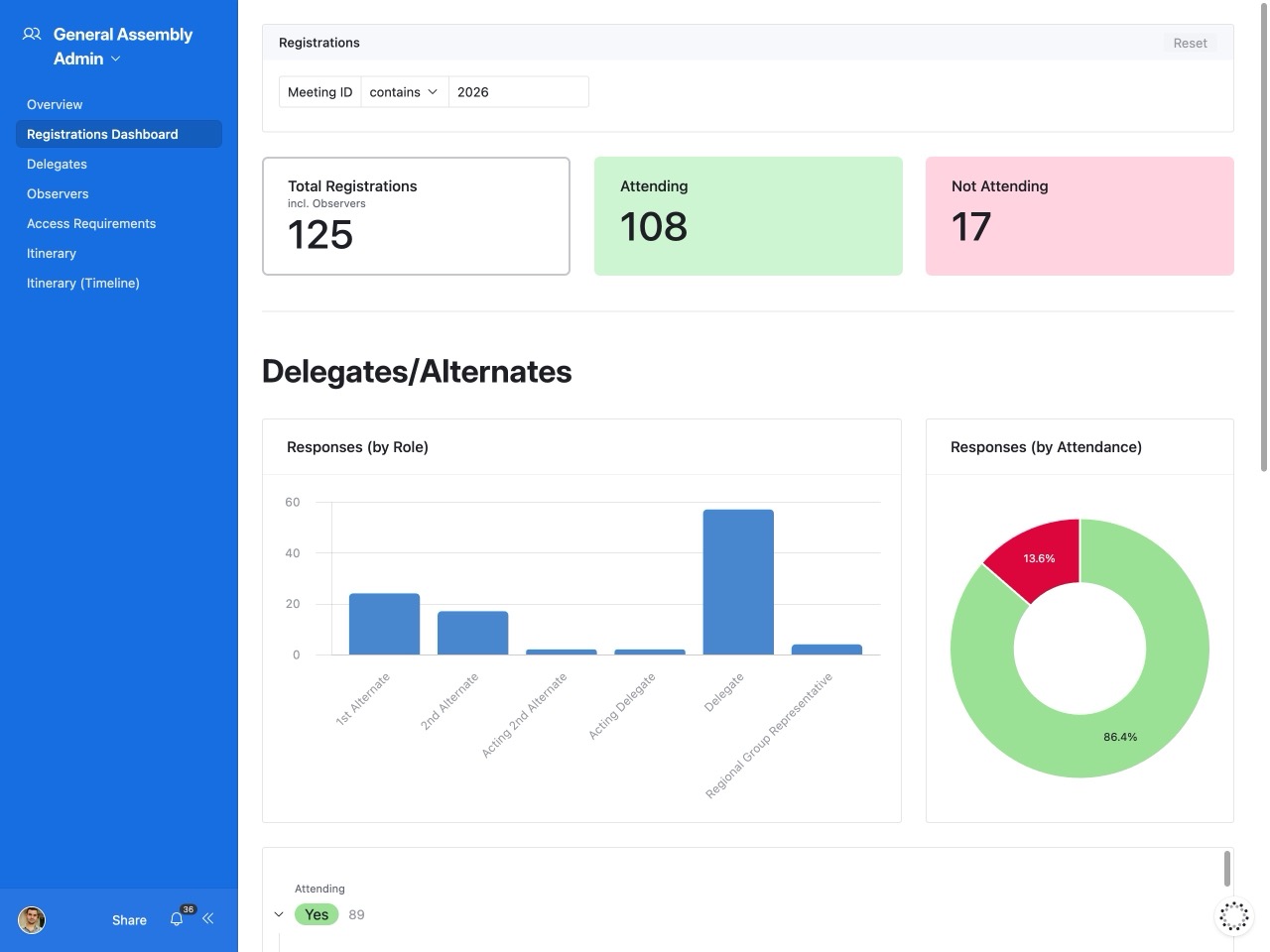
From there, I designed a centralised data architecture that could unify WFOT’s core operational areas while remaining adaptable to different workflows. For project management, I created a central database with linked tables for projects, tasks and objectives, allowing structured tracking and more consistent reporting. Standardised forms were introduced to simplify how project leads submitted updates, while live dashboards provided a clearer overview of all active projects.
For meetings and events, I introduced a single system to capture invitations, attendance and related details regardless of where requests originated. Automated feedback requests and reminders replaced manual follow-ups, reducing admin overhead and improving record keeping.
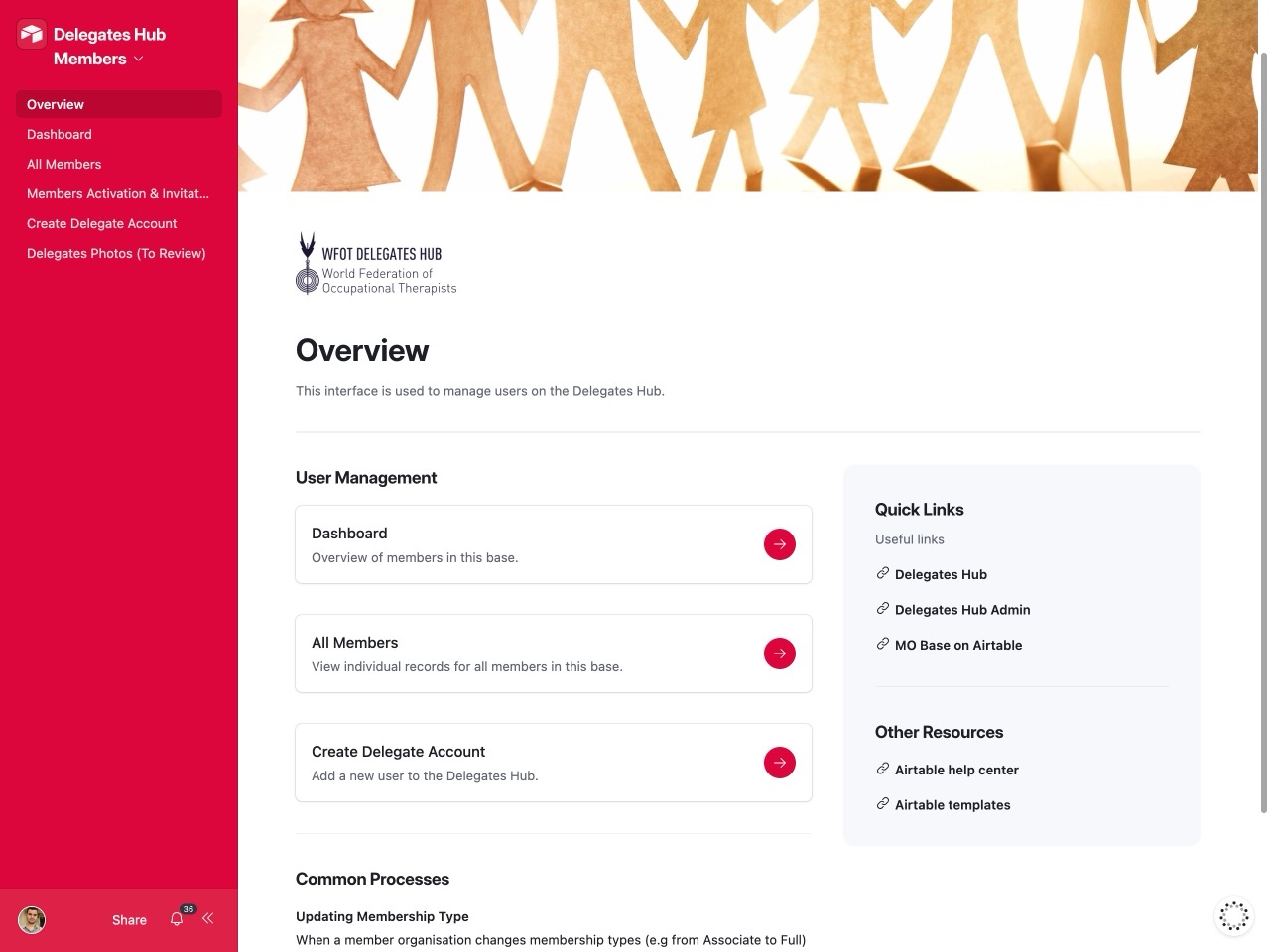
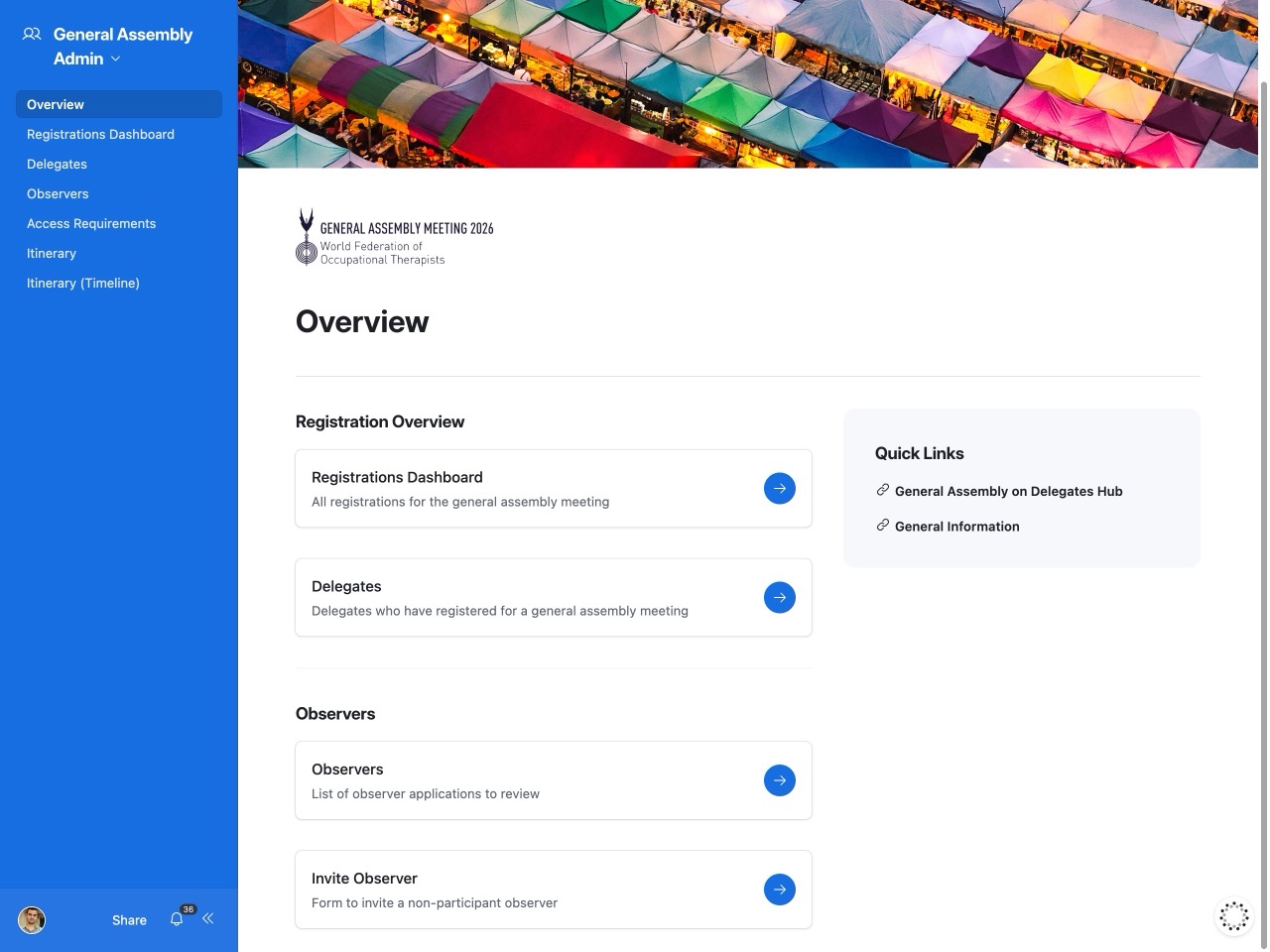
For delegate management, I built a central database that acted as a single source of truth, integrating with the Delegates Hub, Mailchimp and related workflows. Across all areas, I used automations to streamline repetitive tasks, reduce manual handling and improve reliability, while ensuring WFOT retained control over what information was shared externally.
Deliverables
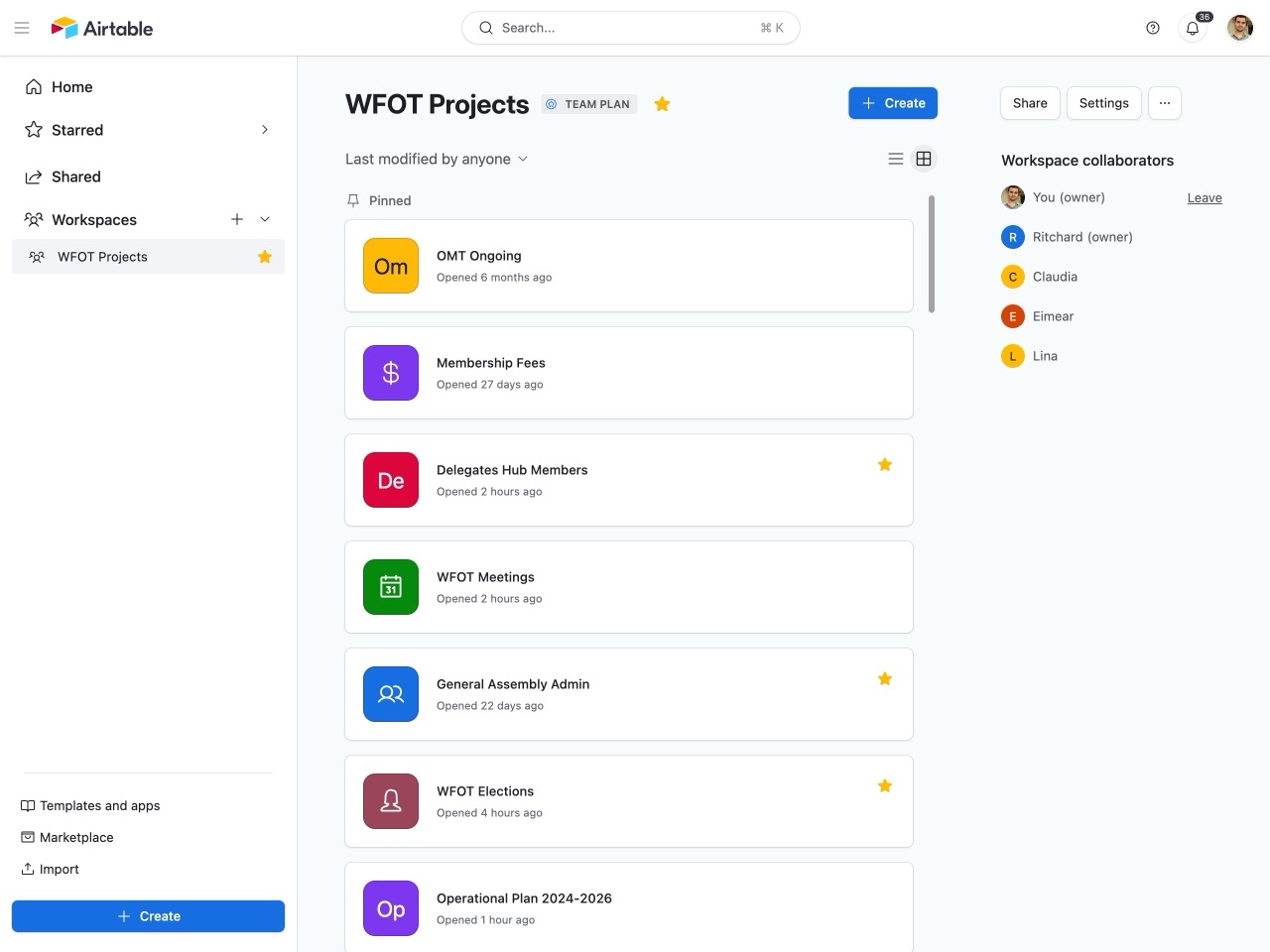
- A unified data architecture with linked tables for projects, tasks, objectives and stakeholders
- Standardised forms and workflows for consistent data input
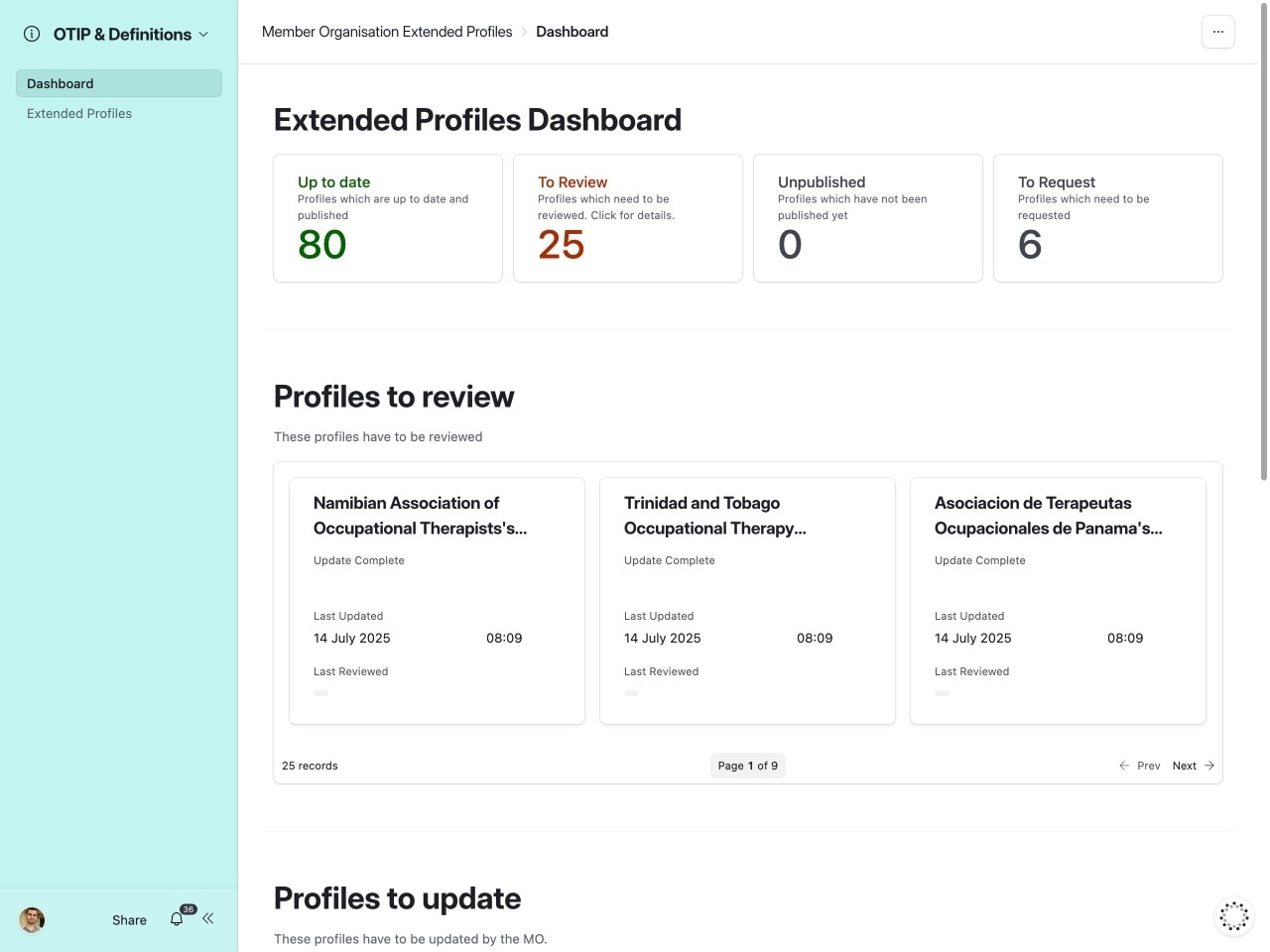
- Live dashboards for real-time visibility across projects and activities
- Automated processes for reporting, reminders and data synchronisation
- Integration with external platforms such as Stripe, Salesforce, WordPress, Mailchimp and custom applications developed for WFOT separately.
- Structured data exports to support reporting and governance
Outcomes
The transition from fragmented databases to a centralised system significantly improved WFOT’s operational efficiency and visibility. Processes that previously required several days of manual collation, such as project reporting for council meetings, can now be completed in a matter of hours using structured data and automated exports.
Centralising key operational data also made it easier to identify issues that had previously been missed, including discrepancies in membership invoicing and payments. Standardised workflows and automation reduced the need for manual follow-ups and administrative handling across multiple areas of the organisation.
Most importantly, the new system increased the team’s capacity. By making core processes more manageable for a small team, WFOT is better able to focus on its mission, support its global network and launch new initiatives rather than becoming overwhelmed by administration.